Things to be grateful for
133 unique ideas plus the best way to feel gratitude deeply.
Here are 133 things to be grateful for, grouped by where to look, starting with the twelve most lists begin with. But this is not your typical list. I’ve been practicing and studying gratitude for over 15 years and the most useful thing I can tell you is that every item on this list is a starting point, not the destination.
So right here, we’re going to look at not just what to be grateful for, but how to actually feel the gratitude, in your body. This is what makes the practice real (and it also feels amazing).
What I’m talking about here is the difference between “I’m grateful for the sunshine” and noticing the feeling of the first rays of sun on a crisp morning. Noticing how your body starts to relax as you feel that first little bit of warmth, all while your breath still fogs the air.
That shift, from the word to the moment, is what the rest of this page is for.
Try This First (a 30 Second Experiment)
Read these three lines or speak them out loud:
I’m grateful for my family. I’m grateful for my health. I’m grateful for the roof over my head.
Now take a moment: how do you feel? Have these words had any noticeable effect? Most likely, the answer is no.
This is what I would call “gratitude as a rote routine”. Anyone can rattle off a few statements about things they’re grateful for and then move on with their day as if nothing had happened.
Unfortunately, this is what many people’s gratitude practice looks like and it’s a shame because that barely scratches the surface.
Gratitude is not something that is supposed to just happen in your head. It can be a full-body experience. Here’s how:
Try it now
Pick one that happened to you recently:
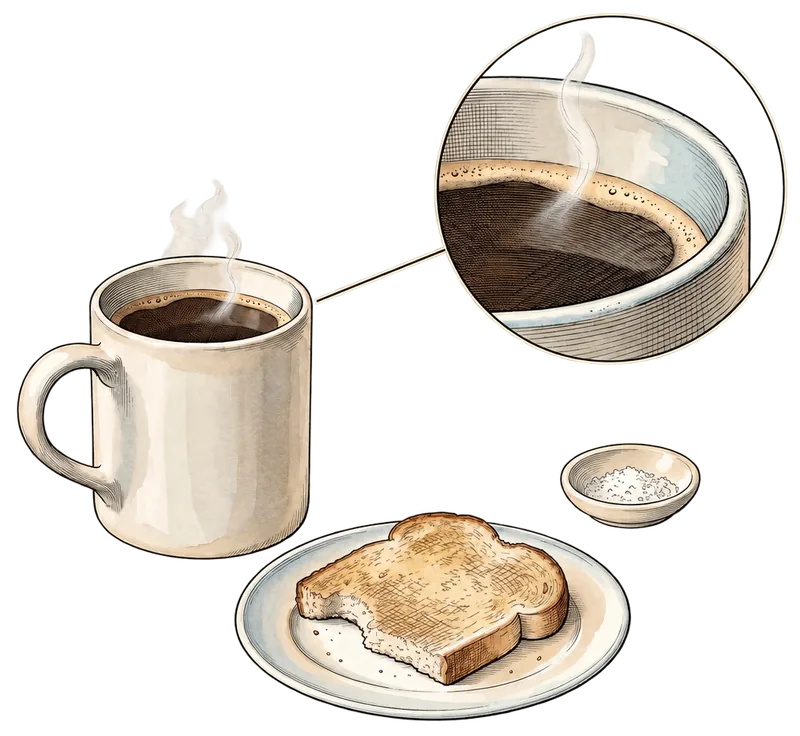
- Your first coffee of the morning
- Someone grew the plant and picked the ripe cherries, often by hand, on a hillside on the other side of the world.
- Others dried the beans, sorted them and packed them into sacks.
- A ship’s crew carried them across an ocean.
- A roaster turned them from green to brown and fragrant.
- And someone ground them, minutes before your first sip.
- Sleeping in on a weekend
- Cotton grew in a field, and someone harvested it.
- Spinners and weavers turned it into thread, then cloth.
- Someone designed the springs in your mattress so it holds you just right.
- Someone cut and sewed your sheets (and someone washed them).
- And a driver brought the whole bed to your door.
- A hot shower or a warm bath
- Rain filled a reservoir behind a dam that engineers built.
- A treatment plant cleaned the water so it’s safe on your skin.
- Miles of pipe under the street carried it to your home.
- A heater warmed it the moment you asked.
- And a valve lets you set the temperature with one small turn.
- A call with someone you love
- Generations of inventors worked out how to send a voice down a wire.
- Crews laid cables across the ocean floor.
- Others built the towers that keep your phone in reach of a signal.
- Satellites overhead help keep the whole network in time.
- And a chip smaller than your fingernail turns your voice into signal and back, faster than you can blink.
- Turning up the heat on a cold day
- Power stations and pylons carried energy across the country.
- Pipelines brought fuel to your street.
- A boiler turned it into heat.
- Someone fitted the pipes that carry it through your walls.
- And a small dial lets you set the room just right, without lighting a fire.
- Turning up the A/C on a hot day
- A power station made the electricity, miles from your home.
- A factory built the compressor, the heart of the machine.
- A coil of copper tube and thin metal fins pulls the heat out of the air.
- Someone mounted the unit outside and ran its pipes through your wall.
- And one press of a button cools the whole room, without anyone waving a fan.
- The moment. Go back to one specific time. When was it? Where were you?
- The details. What did you notice? The smell, the sound, the temperature, the light.
- What it took. Who and what had to exist for this to happen? Follow the chain as far as you like.
- Without it. Now take it away. What would that moment have been without it?
- Feel it. Take a slow breath and notice what’s happening in your body right now. There’s no right answer.





























Stay with it as long as you like.
Here is my own version. When I rattle off “my health, my family, a roof over my head”, I don’t feel anything. It stays in my head. I could go from doomscrolling to naming three things I’m grateful for and straight back to doomscrolling without feeling a thing.
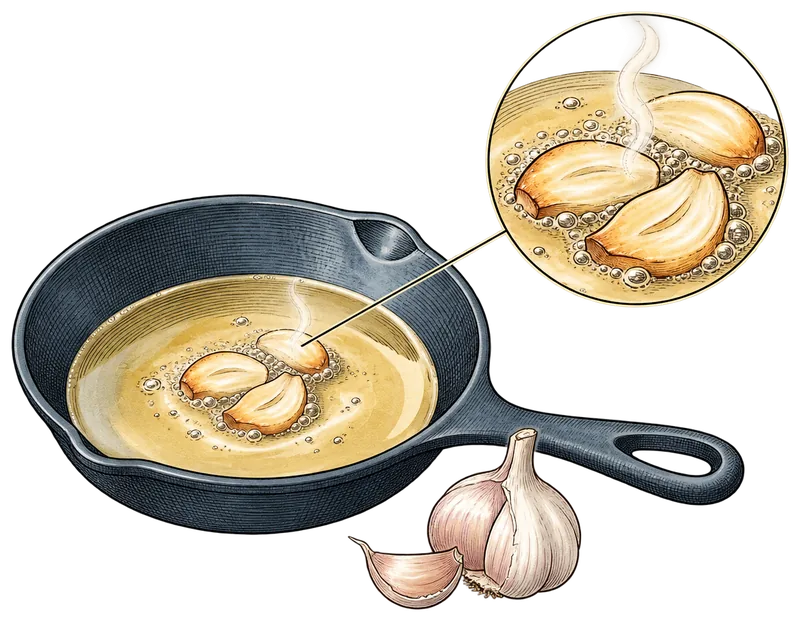
But when I stay with one specific thing? Say the smell of garlic frying in the pan, and start to think about the generations of people who worked out how to cultivate it, the farmer who grew it, the truck driver who transported it, the grocer who stored it… all the people and things it took for this garlic to arrive in my kitchen? That’s when I get a chill down my spine. I get goosebumps thinking about how lucky I am to get to experience garlic. Savoring the moment makes all the difference and that, to me, is what real gratitude practice is about.
A Simple List, Zoomed In
Nos. 1–12
If you look for lists of things to be grateful for, you typically find examples like the twelve listed below. They’re all fine as starting points, but we’re going to go deeper.
For each example, we are going to “zoom in” to go from a generic gratitude platitude to a felt experience.
- Morning coffee. The smell reaching you before the first sip, the familiar sounds in your favorite coffee shop and the logistical miracle that turns beans growing on the other side of the world into a comforting beverage in your hand.
- A warm bed. The five minutes after you turn off the alarm when you’re feeling extra cozy under the covers and the room outside is crisp.
- A hot shower. Hot water, as much as you want, coming out of a pipe in the wall. The way your body relaxes as the water flows around you and how you feel squeaky clean when you’re done.
- Sunshine. The sun on your skin on a cold morning. Feeling how you gradually warm up. The long shadows and warm light cast by the sun early (or late) in the day.
- The changing seasons. The subtle early signs of a changing season, like the first leaves crunching under your feet as you walk. The way changing seasons make us appreciate how everything passes and everything comes back around.
- A walk outside. How good it feels to be outside, moving your body. How such a simple activity quiets your mind and gives you a new perspective. How sometimes it’s all it takes for you to come up with your best ideas or solve a problem you’ve been chewing on all week.
- A friend’s call. The call where you ended up laughing about something that happened years ago. The history you share together. The technology that allows you to stay in touch, even when you aren’t in the same place.
- A kind stranger. The person who told you your bag (or fly) was open. The beauty of complete strangers looking out for each other. The sheer level of trust in strangers that permeates so much of what we take for granted as “normal society”.
- A pet. The weight of an animal settling against your leg, choosing you. The privilege of getting to take care of another being. The fact that you can communicate without language and that somehow, across species, you get each other.
- Your health. A whole day when you didn’t think about your body once, because nothing hurt. Every little thing that could have gone wrong, but never did. Every illness you recovered from, every past pain that left only a scar. The way your body maintains and repairs itself and you don’t have to do any of it.
- Your body’s ability to move. Any movement you can do pain free, without even thinking about it. How you can reach for, pick up and use objects (a skill you had to learn at one point). How your body allows you to move through the world, experience new places, see new sights.
- Learning something new. The second an explanation finally clicks, the satisfaction of arriving at the solution by your own effort, the feeling of new connections forming in your mind, your perspective expanding.
How to “Zoom In” on a Good Moment
Above you got the interactive tutorial for a mental move of zooming in to a good moment to really feel the gratitude. Here’s how you can do it yourself, anytime. It really comes down to a few simple questions:
- What were the sensations and details of this moment?
- What did it take for this to exist?
- What would today be like without it?
The third question has some research behind it. In two experiments at the University of Virginia, students who wrote about how a good thing in their life might never have happened reported more positive feelings afterwards than students who wrote about how it came about (Koo, Algoe, Wilson and Gilbert, 2008).
Start With What’s Right in Front of You
Nos. 13–22
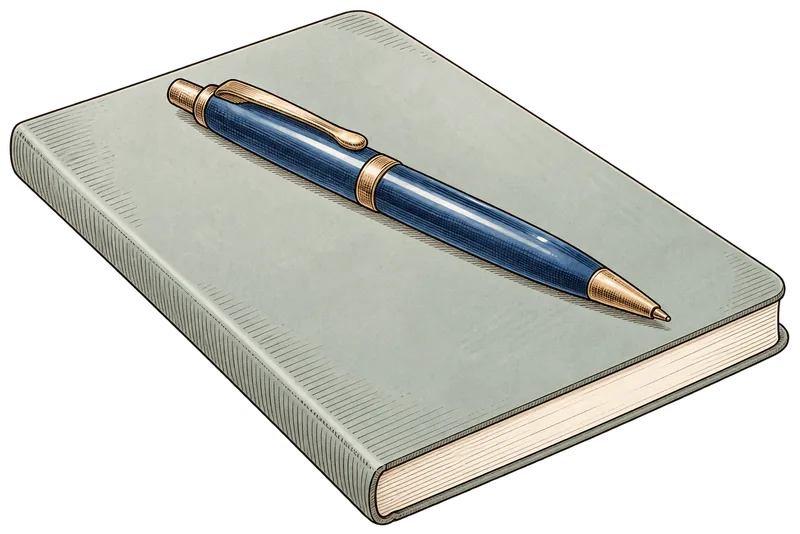
If you’re sitting with a pen over the page thinking I don’t know what to be grateful for, try less hard.
Look at the pen in your hand. If you were stranded on a desert island, how long would it take you to make one just like it? How long to make even the simplest pencil? Then think about everything it has let you do, and how many times you’ve used one without a second thought.
Zoom in
How long would it take you to make this yourself?
- The pen in your hand, designed, refined, made and shipped so it could end up there.
- The chair holding you up right now. Notice where it takes your weight, so you don’t have to.
- The screen you’re reading this on: millions of tiny lights, changing faster than you can see, all so you have a pleasant reading experience.
- The clothes you’re wearing, and the fact that you didn’t have to make them.
- A door that locks securely and easily.
- A light that comes on when you press a switch.
- The mug that keeps your tea hot long enough to drink it.
- A sharp knife that doesn’t rust (this would have been a miracle of technology to your ancestors a few millennia ago).
- The socket in the wall that charges your phone overnight, fed by a power station you’ve never seen.
- Paper. Cheap, blank, a multi-purpose canvas for your thoughts and ideas.
The Hands That Made This
Nos. 23–34
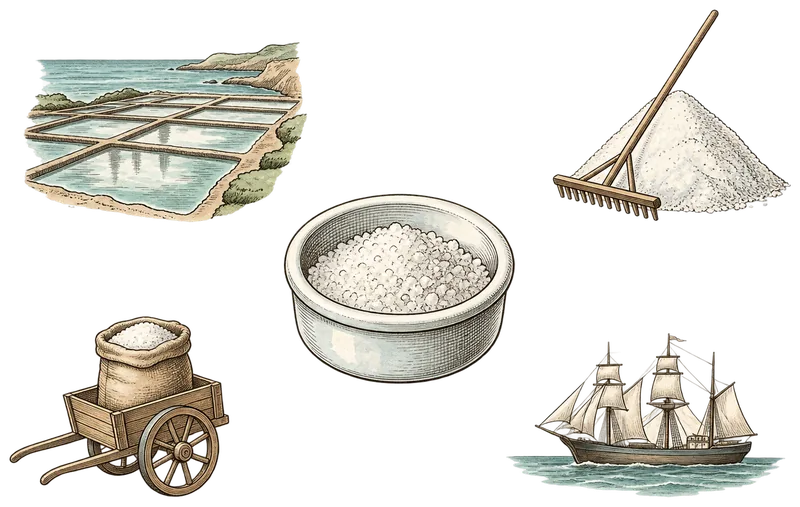
Almost everything you touch has a queue of people behind it. A friend told me a simple sentence that stuck with me ever since: bless the hands that made this.
Take something as simple as the salt I use to season my meal. Someone somewhere harvested it, refined it, transported it, stocked it… but that’s just the salt itself. Someone else made the materials that yet another person turned into the grinder I’m using (which is a whole other thing someone had to invent at some point)… the list goes on. The more I think about it, the more it feels like I’m indebted to the whole world for the privilege of seasoning my salad.
Whenever I really think about bless the hands that made this I realize it’s a whole lot of hands…
Zoom in
Who grew, made, moved or worked this out?
- The salt on your food, and everyone who harvested it, refined it, packed it, shipped it and stocked the shelf.
- The shoes on your feet. Try making a pair yourself and you’ll see why it took generations of shoemakers to get them right.
- Herbal tea: the growers, the pickers, and generations of people before them who worked out which leaves were worth drying.
- The spices in your cupboard, grown on the other side of the world and carried along trade routes people have used for thousands of years.
- A loaf of bread: the farmers, the millers, the bakers who started before dawn, and thousands of years of people figuring out what to do with grain.
- The road you drove on today: surveyors, engineers, the crews who laid it and the crews who fill the potholes.
- The recipe you’re following, and every cook who tweaked it before it reached you.
- A song you love: the songwriter, the musicians, the sound engineer, whoever built the instruments and everyone who figured out how to record sound in the first place.
- The strangers whose reviews helped you choose what to buy.
- The first bus of the morning: the driver, the mechanics who kept it running overnight, the people who plan the schedule, and the drivers who step in when someone calls in sick.
- A book you loved in translation: the author, the translator, the editor, the printer and the bookseller who put it where you’d see it.
- The crews who work through storms so your lights come back on, and everyone who built the grid they’re repairing.
Things You’ve Stopped Noticing
Nos. 35–46
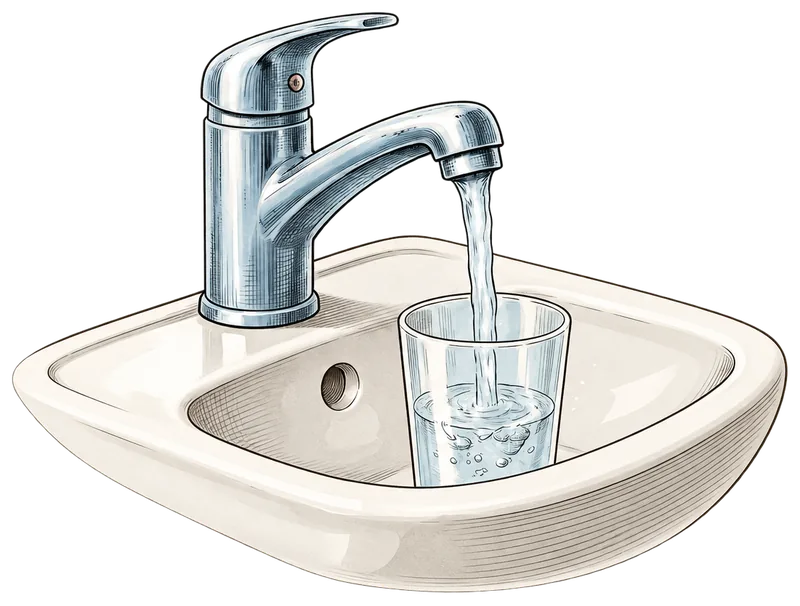
An exciting new thing becomes a normal, everyday thing and blends into the background of your life. It happens all the time. You were so excited to get the latest new gadget, but after a few weeks, it’s just your phone, your laptop or whatever. You were so pleased when you moved into your new home. Now it’s just background. We even do it to people: you longed for a partner, an end to your lonely days… and now it’s just your mildly annoying spouse whom you take for granted.
This, unfortunately, is part of the human condition. Psychologists call it hedonic adaptation. It’s the unfortunate fact that your brain gets used to anything, no matter how great it is.
Sometimes, a bit of distance really helps us appreciate things again. I remember a moment when I came home from a week of camping in the wilderness with minimal equipment. When I turned on the tap to get some water I had to pause for a moment. My time in the wild helped me appreciate the tap for the miracle it really is.
Luckily, you don’t have to go that far to regain appreciation for the everyday miracles around you. The following question helps you do it.
Zoom in
What would this feel like if you had never encountered it before?
- Running water, whenever you turn the tap.
- Hot water, without anyone having to heat it on a fire.
- Heating that comes on by itself, so you wake up in a warm house without anyone getting up first to light a fire.
- Windows you can see through that still keep out the cold and the noise.
- A fridge that keeps food fresh for days. Open the door on the hottest day of summer and there’s cold milk waiting.
- A machine that connects you to collective human knowledge (at virtually no cost).
- A map in your pocket that knows where you are and can give you directions.
- Almost any song ever recorded, streaming straight into your ears.
- A video call with someone on another continent, for free.
- Street lights on the walk home.
- A flushing toilet (really sit with this one for a moment).
- Painkillers in the cupboard for the day you need them.
Imagine Life Without It
Nos. 47–61
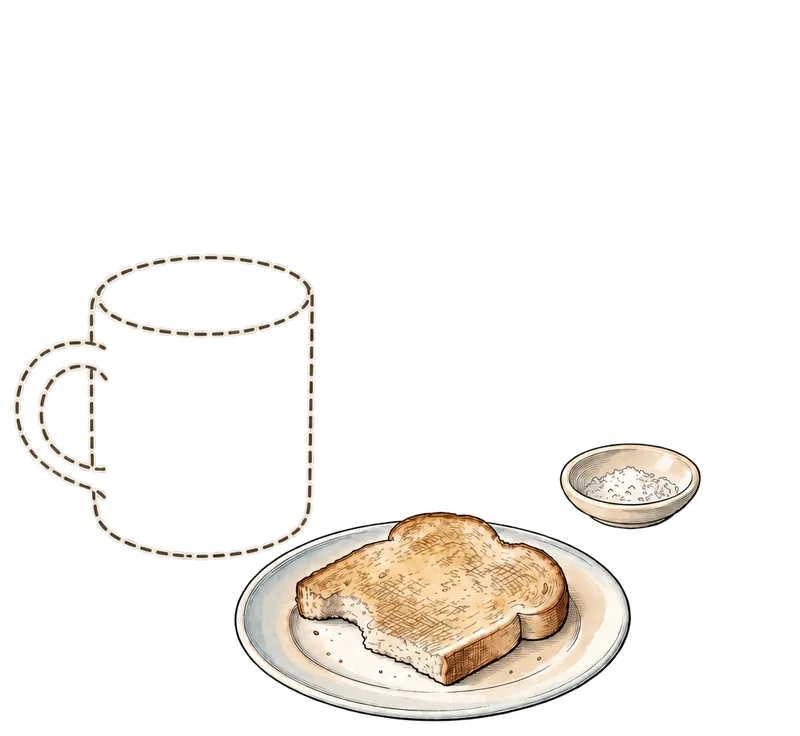
You know that moment when you lose someone or something and you realize just how much it meant to you?
This is the most direct way I know to tap into a real, embodied sense of gratitude. Subtract it in your head. Imagine what life would be like without it. What if you didn’t have a washing machine and had to do laundry by hand? What if you didn’t have spices to cook with? What if there was no sound system in your car, no streaming music, no podcasts, no audiobooks? Every drive just engine noise and traffic.
And if you dare, go deeper. Think of a dear friend, whom you’ve shared adventures with, who’s been there in good times and bad… what if you had never met them?
This is the same move the University of Virginia researchers tested, and in one of their studies people imagined never having met their partner. If you try it on a person, pick someone who is in your life now. If a loss is still raw, this isn’t the lens for it, so skip to another.
Zoom in
What would today be like without it?
- The washing machine. Load it, press a button, come back later.
- The car, and not going everywhere on horseback past piles of horse muck.
- Salt, pepper, spices, and a week of cooking without any.
- Headphones, and a commute with only the noise of the commute.
- Anesthesia at the dentist. For most of history, it was a swig of brandy and then the pliers.
- Antibiotics, which turned an infected cut from a real danger into a few days of pills.
- Electric light after dark.
- Glasses or contact lenses, if you wear them. Your eyesight, if you don’t.
- The bridge on your way to work. Picture the drive without it: the long way around, every single day.
- The chance meeting that led to one of your closest friendships. Picture it not happening.
- Being able to read. Picture every sign, menu and message as meaningless marks.
- A roof over your head on a night of heavy rain.
- A stove that lights with a click, instead of gathering wood before you can cook dinner.
- Your sense of taste. Remember the last cold that took it away?
- Understanding the people around you. Think of the last time you were somewhere you didn’t speak the language.
Your Body & Your Senses
Nos. 62–73
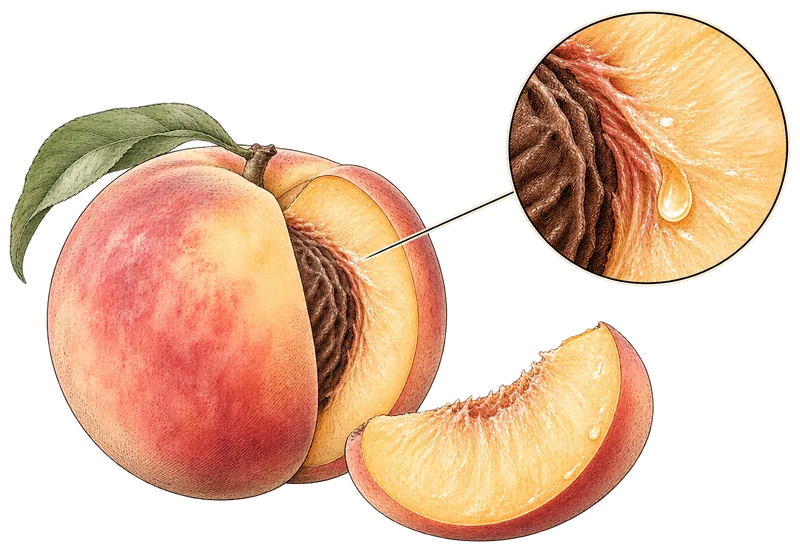
Your body is doing a huge amount of work for you right now that you never asked it to do. Some of the strangest things I’ve been grateful for live here. Hit your toe on the corner of the cupboard and realize: I’m really glad I have a toenail. Without it, this would hurt so much more. Fingernails and toenails are armor at the ends of your limbs, and I’d never once thanked them.
And then there are the countless things happening nonstop that we never even think about. Your digestive tract processing food, your heart and lungs and inner organs keeping you alive, your immune system defending you relentlessly…
Tune into your senses, consider what your body enables you to do and what it’s doing for you and you end up with an endless array of things to be grateful for.
Zoom in
What is your body doing all by itself? What do your senses allow you to experience?
- The smell of garlic hitting a hot pan.
- Being able to smell at all.
- Fingernails, the next time you need to pry something open.
- Your eyes adjusting to a dark room. It took almost 100 years of camera technology to catch up to what your eyes could do since day 1.
- The sensation of a cold drink when you’re properly thirsty.
- Hands that can do up a small button without you watching.
- A paper cut that heals all by itself.
- Hearing your name across a noisy room. Your brain was sorting through every voice in there, listening out for you.
- The taste and juiciness of a ripe fruit.
- Keeping your balance when the train lurches.
- A good stretch after sitting too long.
- The pleasurable sensation of touch.
Small, Silly, Sincere
Nos. 74–83
Not everything has to be deep. Some of my entries are small and a little ridiculous. The other day, I was grateful for a video I came across that made me laugh out loud, with humor so niche and bizarre, it would be very difficult to explain to most people. I’m grateful for that laugh and grateful that people will turn anything into humor.
These are the moments that make you grin for no good reason, including a few you might be slightly embarrassed to admit you enjoy. They count just as much as the big ones. Give them the same zoom as anything else. What made it funny, or sweet, or just right?
Zoom in
What made you smile that you’d be slightly embarrassed to write down?
- The joy of roughing it, like the late night gas station food dinner in the back of the car.
- Flipping your pillow over to the cold side in the middle of the night.
- Plans that got canceled when you were secretly hoping they would, and the whole evening that suddenly belongs to you.
- Finally opening a jar that wouldn’t budge, and feeling unreasonably strong for the rest of the day.
- Parallel parking in one smooth move. Bonus points if there were witnesses.
- The first night in freshly washed sheets. Cool, crisp and smelling of nothing but clean.
- Changing into the clothes you’d never let anyone see you in, the second you get home.
- A sneeze that finally arrives after hovering for a full minute.
- Getting inside a minute before the downpour, then watching it from the window with something hot to drink.
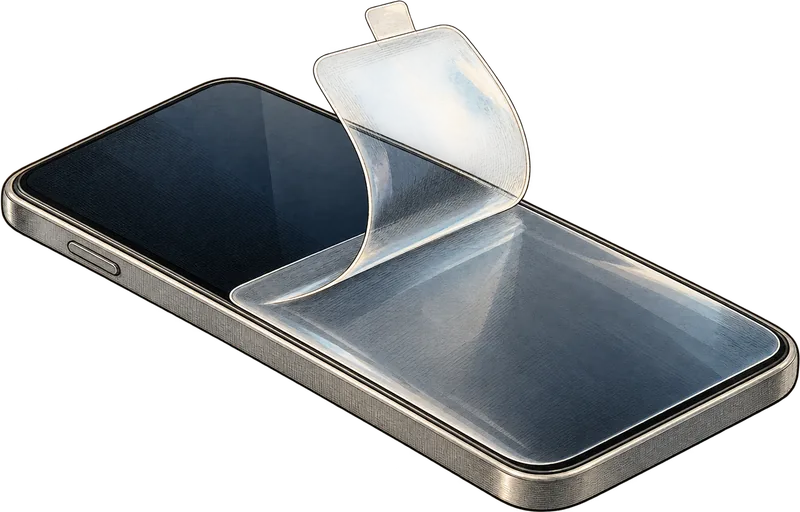
- Peeling the film off a new screen in one perfect, bubble-free sheet.
Thank Past You
Nos. 84–93
Here’s a strange one: be grateful to yourself. Or rather, to all the past versions of you who did the boring thing so that present you doesn’t have to suffer.
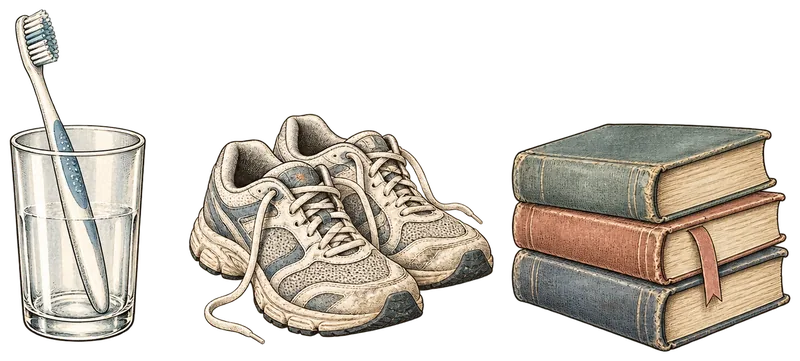
How grateful can you be to every past version of you who brushed their teeth, so that right now you don’t have a mouthful of rotting teeth and excruciating pain? The benefit of a good habit is often invisible. It’s the pain you don’t feel and the problem you never have.
For me, it’s exercise. I’m so glad younger me started exercising regularly, because now it just feels normal, and I benefit from it enormously. Same with reading. I became a reader at a young age, and I’ve been reaping the rewards ever since.
Zoom in
Which old habit is quietly paying off? How much worse would life be without it?
- Teeth that don’t hurt, thanks to thousands of ordinary, boring brushings.
- Being able to run for the bus without losing your breath, because you kept moving.
- A reading habit that started years ago and keeps paying out in ideas, stories and new perspectives.
- The savings you started when it felt pointless, now a cushion for when something goes wrong.
- Knowing how to throw together a meal from whatever is in the fridge.
- A foreign language, an instrument, a professional skill: anything you spent time struggling to learn, that’s now at your disposal.
- A friendship that lasted because someone kept sending messages, even when it felt one-sided for a while.
- Keys in the same place every time (past you saving present you five frantic minutes).
- The light workout you did instead of skipping, which kept the habit alive through a rough patch.
- The checkup you booked early instead of putting it off, and the relief of hearing “everything looks fine.”
How You Look After Yourself
Nos. 94–103
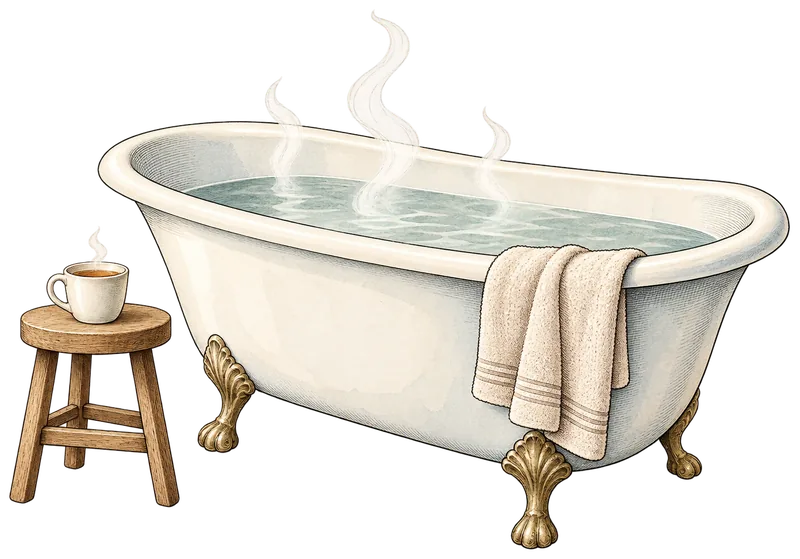
The ways you already take care of yourself are easy to take for granted. A walk, a hot bath, reaching out to a friend, the hobby that makes you lose track of time: anything you do that’s self-caring is worth noticing, and worth feeling grateful for.
One of mine: I learned to ask for help. When I was younger, I didn’t reach out to anyone. Now, on a day when I feel down, I reach out, and I end up with supportive messages and a good conversation with a friend. I had to learn that, and I’m so glad I did.
Zoom in
What do you already do that takes care of you? How do you feel afterward?
- Reaching out on a hard day instead of going quiet, and the relief when someone answers.
- The walk that works like a reset button: fresh air, moving your body, a clearer head.
- A hot bath at the end of a long week, and the moment your shoulders finally drop.
- Going to bed early when your body was asking for it.
- Saying no to something you’d have resented, and the freedom of an open evening.
- A hobby that absorbs you so completely you lose track of time.
- Cooking yourself a real meal instead of grazing on snacks.
- Putting the phone in another room and getting your evening back.
- Asking for support when things got too heavy to carry alone.
- The stretch you do every morning, and the way your back thanks you for it.
The People in Your Life
Nos. 104–115
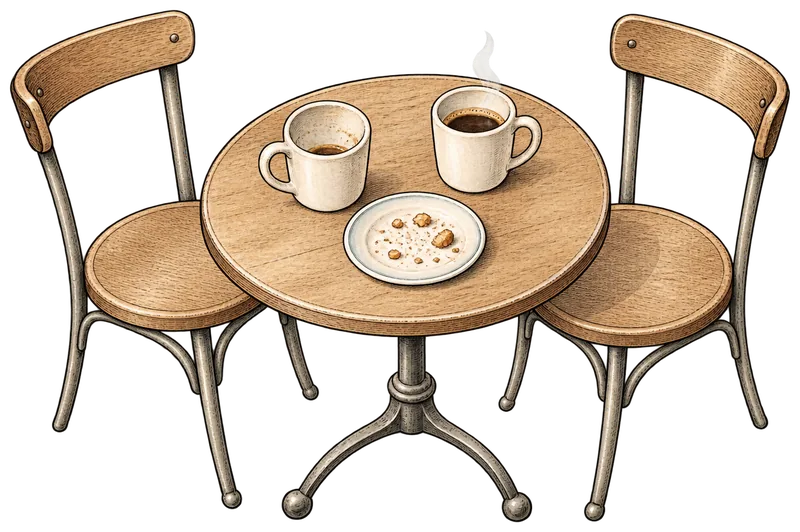
“I’m grateful for my friends” is where most lists stop. It’s true, and it barely registers. Gratitude for people really lands when you zoom in on one moment with one person.
When a thought like I’m grateful I have friends comes up, I ask myself what actually brought up the feeling. Usually it’s something specific, like a conversation yesterday with one particular friend, where we told stories about the adventures we’ve shared and had such a good time. That’s where the feeling came from.
Here’s an entry from my journal after a call with my men’s group, roughly as I wrote it: “I’m grateful that even though we’re all in different places right now, everybody’s eager to stay in touch. I’m grateful that we have such a wholesome, supportive energy on this call. And I’m grateful for the conversation because it really helped me shake off the stuck feeling I had.”
And if you want to feel it even more, tell them. Getting into the habit of telling people what I appreciate about them creates some of the most beautiful moments.
Zoom in
Which moment, with whom? What did they give you that they might not even know about?
- The friend who remembered something you mentioned once, months ago.
- A conversation that lightened your mood.
- Laughing with an old friend about an adventure you shared, until neither of you can breathe.
- A message out of the blue from someone you’d lost touch with.
- The colleague who covered for you without being asked, and never mentioned it.
- A teacher whose one sentence still echoes in your head years later.
- A phrase of your parents’ that you catch yourself saying.
- Whoever taught you to ride a bike, and the moment they let go without telling you.
- A neighbor who takes your packages in, and the easy chat on their doorstep when you pick them up.
- A heart on a message you sent, and the little glow of being seen.
- The friend who tells you the truth when it isn’t easy to hear.
- A friend’s good news, and how genuinely happy you are for them.
Inside the Annoyance
Nos. 116–123
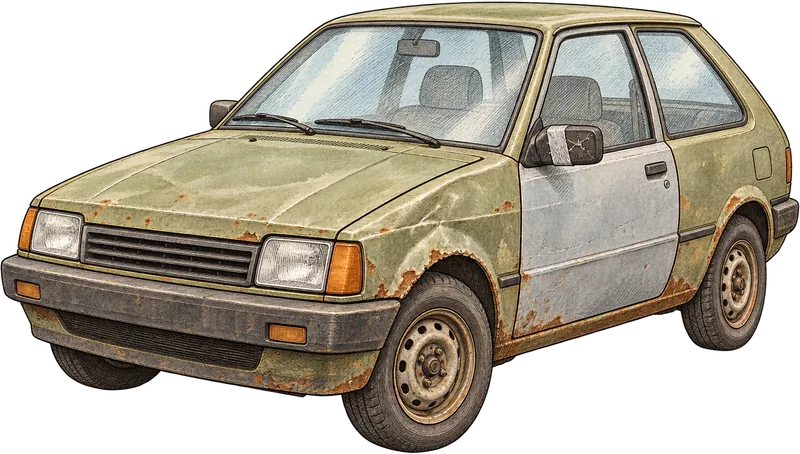
Sometimes the quickest way in is through something that bugs you. Most annoyances are measured against something better, something you’ve gotten so used to that you no longer notice you have it.
Here’s a silly example: when I drive a rental, it’s usually a cheap one and not very nice to drive. But my first car was a beat-up old thing, so every modern car still feels fresh to me. I can still feel grateful for how much better a crappy rental is than the car that I learned to drive in. And after a week in a rental, my own (current) car feels so much better to drive. Two things to be grateful for, hiding inside one annoyance.
Now the most important part: this is about noticing, not forcing. If you catch yourself trying to spin something bad into something good, or feeling “grateful” through gritted teeth, stop. That isn’t gratitude, it’s self-gaslighting. Real gratitude is a gentle noticing of what’s already true. If an annoyance doesn’t open up naturally, let it go and pick something else.
Zoom in
What better thing is this annoyance measured against?
- Missing friends who live far away, because you have friends worth missing.
- Missing your own bed on a trip, because you have a comfortable one to come home to.
- A long, cramped flight that got you to another country in hours instead of weeks (or never).
- A disappointing rental car that makes your own car feel like a luxury.
- The shower taking a minute to run hot, and then: all the hot water you want.
- A line at the grocery store, in a store packed with food from all over the world.
- Waiting for a friend who’s always late, because they’re worth waiting for.
- When it’s too cold, too hot, too rainy… because it’s a reminder of how much you’re used to having a comfortable shelter to return to.
On a Bad Day
Nos. 124–133
Life is hard. Merciless, sometimes. And there’s nothing worse than someone telling you to “just cheer up” when you’re going through real difficulties.
How does gratitude practice fit into this? Can you still be grateful without feeling like you’re forcing yourself to feel positive on a thoroughly negative day?
For me, the answer is yes and here’s the most important thing I can tell you about it: life is hard AND there’s always something to be grateful for. Not “but”… “and”. Whatever you’re grateful for does not take away from the hardship you’re experiencing. It’s simply about taking a moment to notice: yes, even in this difficult period, there are some things I can truly appreciate.
I can give you an example from one of the worst days of my life: I’d broken my shoulder and impacted many parts of my body in a traffic accident. I could barely move my right arm. I didn’t yet know how bad the damage may be. Waiting for the ambulance, I noticed there was no heavy bleeding and no bone sticking out of my leg. Then the ambulance arrived and hey, I live in a time where there is such a thing as an ambulance. And hospitals and antibiotics and x-ray scans… Those are some things I was deeply, genuinely grateful for, that day. It didn’t stop me from having the accident, and it didn’t stop me from feeling bad about it. I wasn’t jumping for joy. But the gratitude did help shift my focus at least a bit.
So, here’s an invitation to look for whatever there is to appreciate, even when you’re really going through it.
Zoom in
What is still true today?
- You ate today. Maybe even something that tasted good.
- Your favorite show, a comfort meal, some small distraction that gives you a measure of relief.
- The person who replied when you reached out.
- A walk that got you out of your head for twenty minutes.
- A book or podcast that explains exactly what you’re going through, from someone who has spent years figuring it out.
- Help that arrived when you needed it, sometimes from people you’ll never see again.
- Your eyesight, your hearing, some or all of your limbs… any and all parts of you that are still working just fine.
- A friend who didn’t try to fix anything and just listened (truly a blessing if you have one of those).
- That this day is over and you get to go to sleep soon.
- Your own bed at the end of it.
If someone has told you to “just be grateful” while you’re struggling, you’re allowed to ignore them. Nobody gets spared from loss, grief, illness and unfair things happening. Start from what’s hard, and then, if you can, look for one small thing.
Why Most Gratitude Lists Stop Working
A list like this has a shelf life. Write the same good things every day and within a few weeks they stop producing any feeling at all.
When I started in 2009, my lists were often short and generic: the things that come to mind quickest, a bit like saying grace when you’re really hungry and just want to dig in. There was no structure and no habit behind them, and I think that’s the main reason they did less for me then.
Now I have a rule: never write the same thing twice. So my morning coffee, one of my favorite parts of the day and something I feel grateful for every single morning, almost never makes the list. I’ve already written about it. Unless something about this morning’s coffee is new, it doesn’t go in, and I have to find something else.
There’s research that backs this up. In a one-week trial with 958 adults, people who wrote longer gratitude letters or essays generally got more out of it than people who wrote short lists (Regan, Walsh and Lyubomirsky, 2023). That fits everything I’ve experienced: the feeling is in the zooming, not the listing.
The Daily Version: Three Things Today
There’s a simple formula I’ve come up with that makes this kind of gratitude a daily practice, without it ever going stale. Here’s what I write down every morning with my first cup of coffee:
- Three specific things from the last 24 hours. Things that happened, not categories of your life.
- A reason or a bit of elaboration for each. Why it mattered, how it felt, who was behind it.
- Never repeat one. If you’ve already written it, find something new.
And because I love a good structure, but I don’t want to feel imprisoned in one, I also have an extra space where I let myself express gratitude for whatever, in whatever form I feel like, even if it doesn’t fit the 3 criteria I just laid out above.
To help you get started, how to start a gratitude journal covers the first week, and what to write in a gratitude journal shows how to turn a vague entry into a specific one. I also built the Grateful App as the ideal companion for my gratitude practice.
Things to Be Grateful For: Taking It Slow
There you have it, a list of 133 unique things to be grateful for. Now that you’ve made it all the way to the bottom of this page, I want to invite you again to take it slow. It was never really about finding more things to be grateful for. The real value comes from savoring that feeling of gratitude.
You’ll get the most value from picking one example from the list and really zooming in until you feel it in your bones. And let the questions here guide you: What were the sensations and details? What did it take for this to exist? What would today be like without it?
If there’s one thing that practicing gratitude for over 15 years has taught me, it’s that this practice is supposed to feel good! It’s not a chore to get through and if it ever starts feeling like that for you, slow down, take a moment. Allow this to become a truly enjoyable practice for you.
If you’d like to make it a daily practice with guidance on how to get the most out of it, check out the Grateful App!
Frequently asked questions
What are some things to be grateful for?
Start with what is within reach: the chair you are sitting on, hot water from a tap, the shoes on your feet. Then widen out to the people behind those things, what you would miss if they were gone, your body, old habits that are paying off, the specific people in your week, and what is still true on a bad day. The page above has 133, grouped that way.
What are 3 things I can be grateful for today?
Pick three specific things from the last 24 hours rather than three categories of your life. Not “my friends” but the conversation you had with one of them yesterday. If you can, add why each one mattered, and try not to repeat anything you have already written.
What if I can't think of anything to be grateful for?
Stop searching far and wide and come closer. Look at the object in your hand and ask yourself what it took for this to exist, and what today would be like without it. Something ordinary usually turns out to have a lot in it.
Related posts
What is the Optimal Frequency for Gratitude Journaling?
Studies show surprising results when comparing daily to less frequent gratitude writing. But the real lesson is buried in the details...
Does Gratitude Journaling Work? An Evidence Based Answer
Let's take a closer look at the evidence for gratitude writing as a regular practice.

Savoring a good moment
Savoring is the deliberate act of staying with a good experience instead of moving straight past it, and it takes about thirty seconds to practice.